Vintage Paper Backgrounds: A Timeless Asset for Modern Design
Designers and creatives often seek unique, high-quality assets to elevate their projects. Among the many design resources available, vintage paper backgrounds have become a popular choice due to their nostalgic charm and versatility. These textures offer a blend of historical aesthetics and modern usability, making them an essential tool for anyone involved in graphic design, web development, or creative illustration.
What Are Vintage Paper Backgrounds?
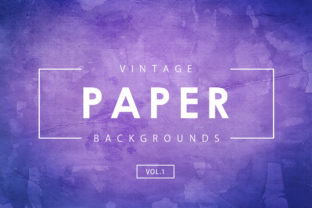
Vintage paper backgrounds are digital textures that mimic the look and feel of old paper, parchment, or handmade sheets. They come in various styles, including grunge paper backgrounds, which feature a textured, weathered appearance. These backgrounds are not just visually appealing—they also serve a functional purpose by adding depth, character, and authenticity to design projects.
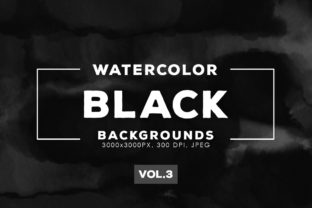
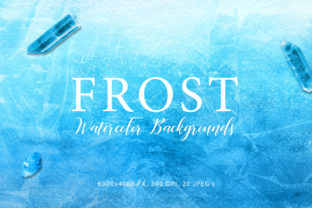
The grunge paper backgrounds collection, for example, includes 10 different variations, each with its own unique texture and tone. These backgrounds are created at a resolution of 6000×4000 pixels and are formatted at 300 dpi, ensuring they are both high-resolution and scalable. This makes them ideal for use in print and digital media alike.
The Significance of High-Resolution Textures
When working on professional design projects, using low-quality images or textures can significantly impact the final outcome. High-resolution textures like vintage paper backgrounds ensure that your designs maintain clarity and detail even when scaled up or printed at large sizes.
The 6000×4000 pixel size is particularly advantageous because it allows for flexibility in application. Whether you're designing a poster, flyer, or website banner, these backgrounds can be adjusted to fit any layout without losing quality. The 300 dpi specification ensures that the textures are suitable for both digital and print purposes, meeting industry standards for professional-grade work.
Why Use Vintage Paper Backgrounds in Your Projects?
- Enhance Visual Appeal: Vintage paper textures add a tactile element to flat designs, making them more engaging and visually interesting.
- Provide Authenticity: These backgrounds evoke a sense of history and craftsmanship, which can be especially useful in branding, packaging, or storytelling projects.
- Boost Creativity: The organic, irregular patterns of grunge paper backgrounds inspire new design ideas and encourage experimentation with color, typography, and layout.
- Ensure Consistency: Using a consistent background texture across multiple design elements helps create a cohesive visual identity.
Where Can You Use Vintage Paper Backgrounds?
The versatility of vintage paper backgrounds means they can be applied to a wide range of design tasks. Here are some common use cases:
Print and Digital Media
These backgrounds are perfect for creating print materials such as business cards, invitations, and brochures. They also work well in digital formats, including websites, social media posts, and email newsletters.
Web and App Design
For web design, vintage paper backgrounds can be used as page backgrounds, header sections, or as part of a website's overall aesthetic. They can also be incorporated into app interfaces to give a more personal and artistic touch.
Presentations and Educational Materials
In educational settings, these backgrounds can help make presentations more visually engaging. They can also be used in study guides, lesson plans, and interactive learning modules to create a more immersive experience.
Art and Creative Projects
Whether you're a graphic designer, illustrator, or artist, vintage paper backgrounds can serve as a base for your creative work. They can be used in pattern creation, collage art, and mixed media projects.
How to Use Vintage Paper Backgrounds Effectively
To get the most out of vintage paper backgrounds, consider the following tips:
- Choose the Right Texture: Select a background that complements the mood and theme of your project. For example, a grunge paper texture might be more appropriate for a retro or edgy design, while a lighter, more elegant texture could suit a minimalist layout.
- Layer Strategically: Use vintage paper backgrounds as a base layer beneath other design elements. This helps to create depth and dimension without overwhelming the main content.
- Adjust Opacity: If the background is too bold, reduce its opacity to allow other elements to stand out. This is especially useful in web design where text readability is important.
- Combine with Other Elements: Pair vintage paper backgrounds with typography, icons, and illustrations to create a balanced and visually appealing composition.
Common Misconceptions About Vintage Paper Backgrounds
While vintage paper backgrounds are widely appreciated, there are some common misconceptions that designers should be aware of:
- They Are Only for Retro Designs: Although vintage textures often have a nostalgic appeal, they can be adapted to modern designs. With the right styling, they can fit seamlessly into contemporary layouts.
- They Are Not Versatile: On the contrary, these backgrounds are incredibly versatile. They can be used in a variety of contexts, from corporate branding to personal art projects.
- They Are Too Hard to Use: With the right tools and techniques, using vintage paper backgrounds is straightforward. Many design software programs, such as Adobe Photoshop and Illustrator, offer easy ways to apply and customize these textures.
Conclusion
Vintage paper backgrounds, particularly the grunge paper backgrounds collection, are more than just decorative elements. They are powerful design tools that enhance creativity, add authenticity, and provide a timeless aesthetic to modern projects. Whether you're working on a simple flyer or a complex website, these textures can elevate your work and make it stand out.
By understanding the significance of high-resolution textures and how to use them effectively, designers can unlock new possibilities in their creative process. As technology continues to evolve, the demand for unique, high-quality design assets will only grow, making vintage paper backgrounds an invaluable resource for professionals and hobbyists alike.